Hoya Parasitica Flower: An Epiphyte for Your Home
Epiphytes are plants that grow on other plants, without harming them. These plants can be found in various colors and sizes. Hoya parasitica is one such epiphytic plant native to Southeast Asia. The Hoya parasitica flower is popular among plant enthusiasts for its unique and beautiful appearance. In this blog post, we will take a closer look at the Hoya parasitica flower, its characteristics, growth conditions, and how to care for it.
Characteristics of Hoya Parasitica Flower
The Hoya parasitica flower is also known as the "Honey Plant" due to the sweet nectar it produces. It has small, waxy leaves that are dark green in color and grow up to 7 cm long. The plant's flowers are light green with pink or purple centers, and they bloom in clusters. The petals are shaped like stars, and they have a prominent scent that attracts pollinators.
Growth Conditions for Hoya Parasitica Flower
Hoya parasitica is an epiphytic plant that grows well under bright, indirect sunlight. It prefers a humid environment, so it should be placed in a room with a high humidity level. If the air is too dry, you can use a humidifier to increase the moisture in the air.
The ideal temperature range for Hoya parasitica is between 18°C to 25°C. The plant needs well-draining soil that doesn't hold water for too long. The soil should be slightly acidic, with a pH level between 5.5 and 6.5. You can mix peat moss and perlite with regular potting soil to create a suitable growing medium.
Watering and Fertilizing Hoya Parasitica Flower
Hoya parasitica should be watered when the top layer of soil is dry to the touch. Overwatering can cause root rot, so it's important not to let the plant sit in standing water. During the winter months, you should reduce watering to prevent water from sitting in the soil for too long.
Hoya parasitica doesn't require a lot of fertilizer. You can use a balanced liquid fertilizer once a month during the growing season (spring and summer) to promote healthy growth.
Propagating Hoya Parasitica Flower
You can propagate Hoya parasitica using stem cuttings. Take a cutting that includes at least two leaves and a node. Dip the end of the cutting in rooting hormone and plant it in a pot filled with moist potting soil. Keep the soil moist and warm until the cutting takes root.
Common Pests and Diseases of Hoya Parasitica Flower
Hoya parasitica is generally resistant to pests and diseases. However, if the plant is stressed or grown in poor conditions, it may attract mealybugs, spider mites, and scale insects. These pests can be treated with insecticidal soap. Root rot is another common problem caused by overwatering.
Benefits of Having Hoya Parasitica Flower in Your Home
Apart from being aesthetically pleasing, Hoya parasitica has air-purifying qualities. It absorbs pollutants such as formaldehyde, benzene, and xylene from the air, making it an excellent addition to your home or office.
Where to Buy Hoya Parasitica Flower
Hoya parasitica can be purchased from nurseries or online plant stores. Make sure that the seller has a good reputation and provides healthy plants.
How to Display Hoya Parasitica Flower
There are various ways to display Hoya parasitica in your home. You can hang it in a macrame planter, place it in a terrarium, or simply put it on a window sill. The plant looks great in a group setting with other epiphytes.
Hoya Parasitica Flower Care Tips
- Keep the plant away from direct sunlight.
- Use well-draining soil and a pot with drainage holes.
- Water the plant when the top layer of soil is dry to the touch.
- Increase humidity levels to promote healthy growth.
- Fertilize once a month during the growing season.
- Propagate using stem cuttings.
- Treat pests with insecticidal soap.
The Hoya parasitica flower is an excellent choice for anyone looking for an attractive and low-maintenance plant. It not only adds beauty to your home but also purifies the air you breathe. By following the tips outlined in this blog post, you can ensure that your Hoya parasitica thrives.
Frequently Asked Questions
1. How often should I water my Hoya parasitica?
You should water your Hoya parasitica when the top layer of soil is dry to the touch. Overwatering can cause root rot, so it's important not to let the plant sit in standing water.
2. Can I grow Hoya parasitica in low light conditions?
Hoya parasitica grows best under bright, indirect sunlight. However, it can also tolerate low light conditions.
3. How do I propagate Hoya parasitica?
You can propagate Hoya parasitica using stem cuttings. Take a cutting that includes at least two leaves and a node. Dip the end of the cutting in rooting hormone and plant it in a pot filled with moist potting soil. Keep the soil moist and warm until the cutting takes root.
4. What are some common pests that affect Hoya parasitica?
Mealybugs, spider mites, and scale insects are common pests that affect Hoya parasitica. You can treat these pests with insecticidal soap.
5. How do I display Hoya parasitica in my home?
You can display Hoya parasitica in a macrame planter, terrarium, or simply put it on a window sill. The plant looks great in a group setting with other epiphytes.
6. Can I use tap water to water my Hoya parasitica?
Hoya parasitica prefers slightly acidic soil, so it's best to use rainwater or distilled water. If you must use tap water, let it sit out overnight to allow the chlorine to evaporate.
7. How big does Hoya parasitica grow?
Hoya parasitica can grow up to 2 meters long if left to its own devices. However, it can be pruned to maintain a more manageable size.
8. What is the ideal temperature range for Hoya parasitica?
The ideal temperature range for Hoya parasitica is between 18°C to 25°C.
9. How often should I fertilize my Hoya parasitica?
You can fertilize your Hoya parasitica once a month during the growing season (spring and summer) using a balanced liquid fertilizer.
10. What is the best way to increase humidity levels for my Hoya parasitica?
You can increase humidity levels for your Hoya parasitica by misting it regularly, placing a tray of water nearby, or using a humidifier.
14 Hoya parasitica flower Images

Pin Em Hoje Moje My Hoyas

Hoya Parasitica Lao Hoya Plants Bloom Flowers
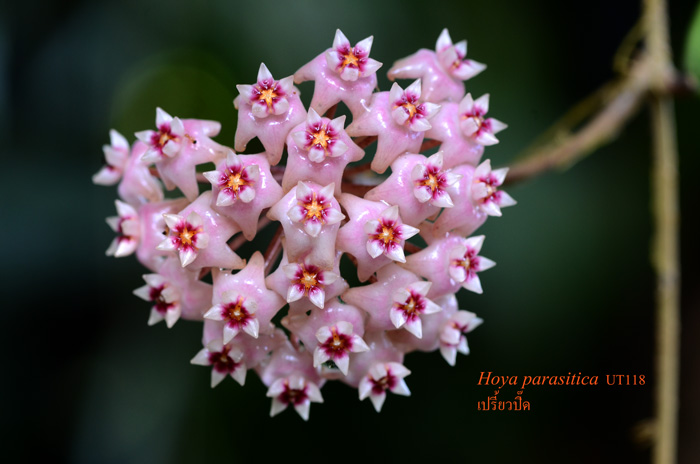
Hoya Parasitica UT118

Hoya Pubicalyx Splash Leaves Hoya Plants Plants For Sale Online Plants

Hoya Parasitica Plant Leaves Plants Leaves

Hoya Parasitica Spoon Shape Leaves Hoya Parasitica Hoya Plants

My Hoya Parasitica Is Blooming For The First Time It Smells But I

Hoya Parasitica Variegated Hoya Plants Variegated Plants Variegated

Hoya Parasitica

Voix16 On Instagram Oh My Hoya Parasitica Heart Splash Pictures Don

Pin On Gardening

Hoya Parasitica Heart Leaves

Hoya Parasitica Splash Heart Leaf Hanging Pot Big Sized In 5 Pot

Hoya Parasitica Lao Kwiaty Doniczkowe Kwiaty
Posting Komentar untuk "Hoya Parasitica Flower: An Epiphyte for Your Home"